
How it works
Piles
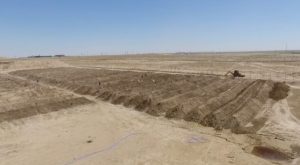
At SmartEcofield, petroleum-contaminated soil is remediated at dedicated treatment sites using advanced bioremediation technology. The soil is arranged into specialized windrows—elongated piles up to 50 meters long—designed to maximize the efficiency of the cleanup process.
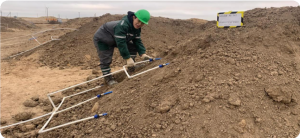
During windrow formation, we install a network of engineered aeration and nutrient-delivery systems that provide oil-degrading bacteria with optimal access to oxygen and mineral fertilizers. This method significantly enhances bacterial activity thanks to the deep penetration of air and nutrients into the soil structure.
Embedded monitoring devices track key environmental parameters in real time, ensuring precise control and consistent progress throughout the entire remediation cycle.
Bacteries
Biopreparation for Biological Remediation of Oil-Contaminated Soils
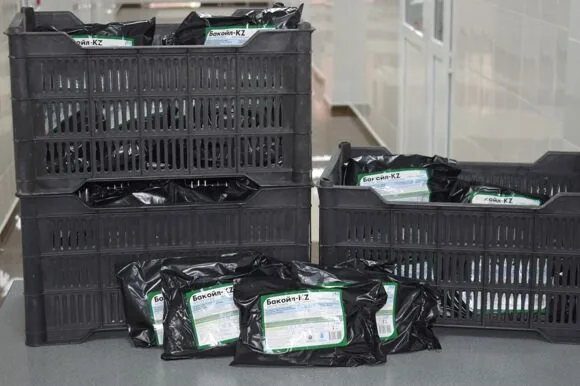
BAKOIL-KZ is a biopreparation based on hydrocarbon-oxidizing microorganisms, designed for the biological remediation of oil-contaminated soils. Application of BAKOIL-KZ reduces soil toxicity, promotes soil restoration, and has no adverse effects on other ecosystems.
Mechanism of Action:
The microorganisms in BAKOIL-KZ effectively oxidize a wide range of petroleum hydrocarbons across a broad pH range (5.5–9.5) and at temperatures from +10°C to +40°C. The preparation is supplied as a paste.
Key Advantages:
- Contains indigenous microbial strains adapted to local soil and climatic conditions
- Reduces toxicity of oil-contaminated soils
- Supports soil restoration and regeneration
- Safe for surrounding ecosystems
- Environmentally non-polluting
Dosage varies depending on the level of soil contamination.
Application Method:
The biopreparation is easy to use. A diluted suspension is applied directly onto contaminated soil via sprinkling or spraying. To verify the reduction in soil toxicity, chemical analysis and phytotoxicity testing are conducted post-treatment.
Online monitoring
Brief Description of the Online Monitoring System:
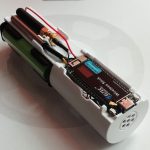
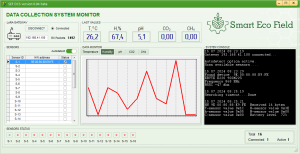
The SmartEcoField online monitoring system provides real-time tracking of key environmental parameters—such as temperature, moisture, and oxygen saturation—during the biological remediation of oil-contaminated soils. Using custom-built LoRaWAN-enabled sensors, the system continuously collects field data and transmits it to a centralized cloud platform. This enables remote supervision, AI-driven optimization of remediation conditions (e.g., precise dosing of water, air, and nutrients), and automated alerts for process deviations. The system ensures data transparency, enhances treatment efficiency, and supports compliance verification through digital logs and analytical reports.
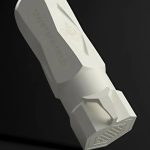
Sensors

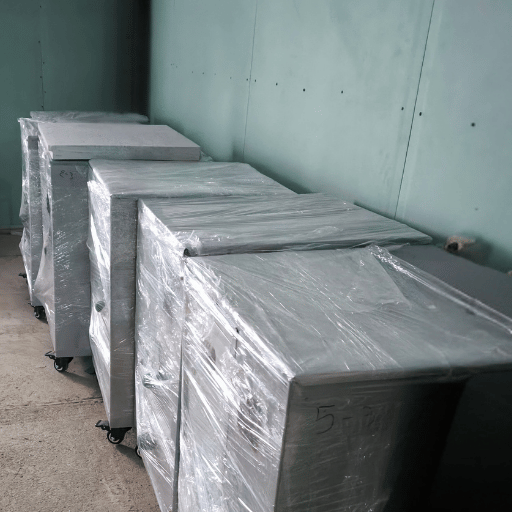
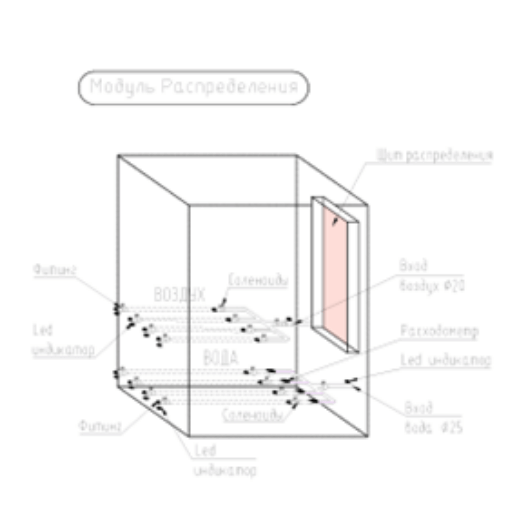
Distribution unit
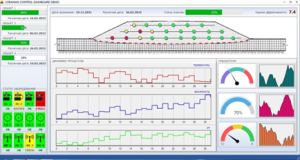
Operator interface screens from the SmartEcoField automated control system (ACS). Here, the operator remotely monitors the real-time status of the soil remediation process—tracking critical parameters such as soil temperature, humidity, oxygen saturation, and microbial activity.
Thanks to integration with Starlink satellite connectivity, the system enables fully remote monitoring and control from anywhere in the world, even in remote or off-grid locations where traditional telecommunications infrastructure is unavailable. This ensures continuous oversight, rapid response to process deviations, and uninterrupted environmental data collection—regardless of geographic isolation.
AI Automated System
Field Mobile Soil Analysis Laboratory
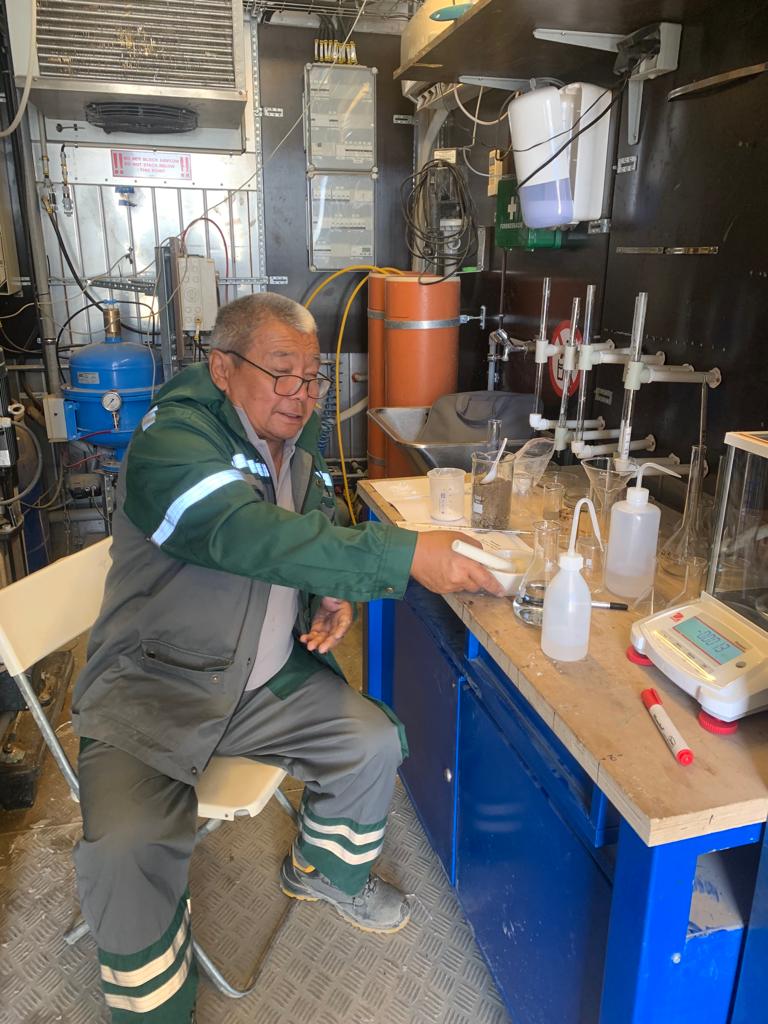
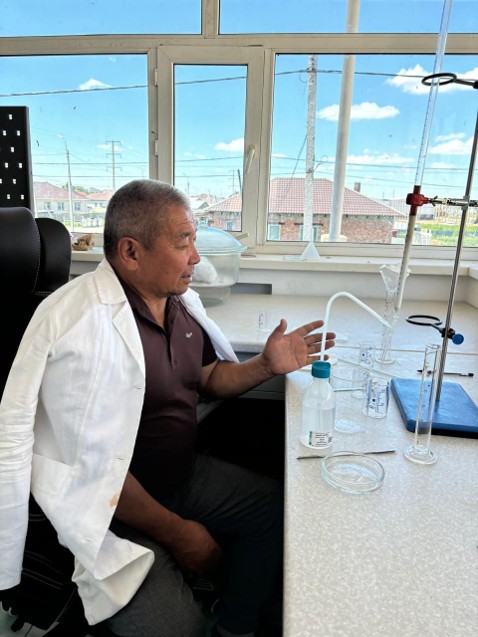
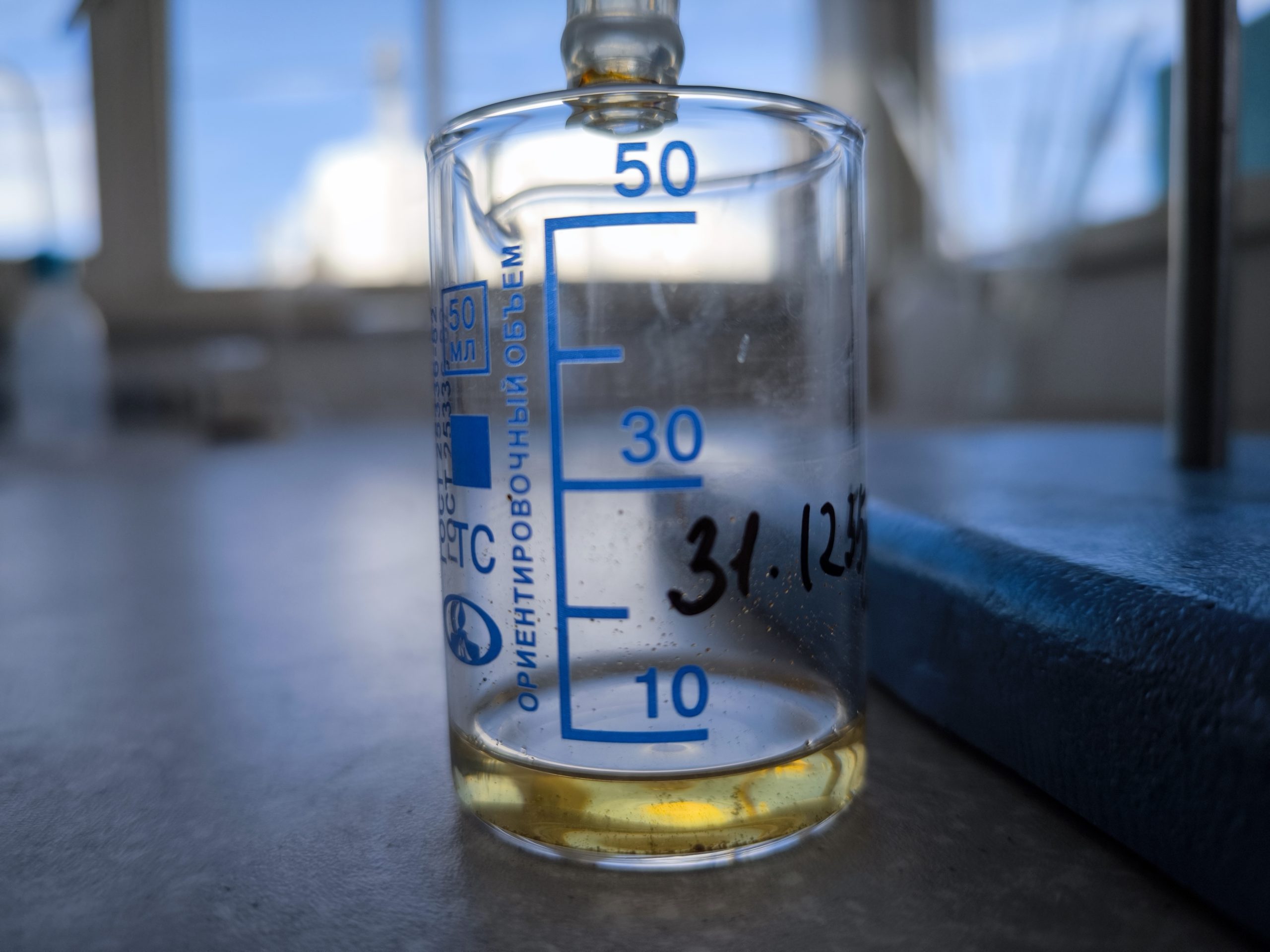
In our mobile field laboratory, we perform preliminary chemical and biological analyses to assess the level and type of soil contamination, as well as key soil characteristics. This step is critical for effective bioremediation—these initial findings form the foundation for developing customized process technology maps tailored to each site.
Our team of biologists identifies the nature and concentration of contaminants, collects soil samples on a weekly basis, and evaluates remediation progress. They verify whether cleanup targets have been met and formally confirm the completion of the bioremediation process once the required soil cleanliness standards are achieved.

General Architecture of the SmartEcoField Integrated System
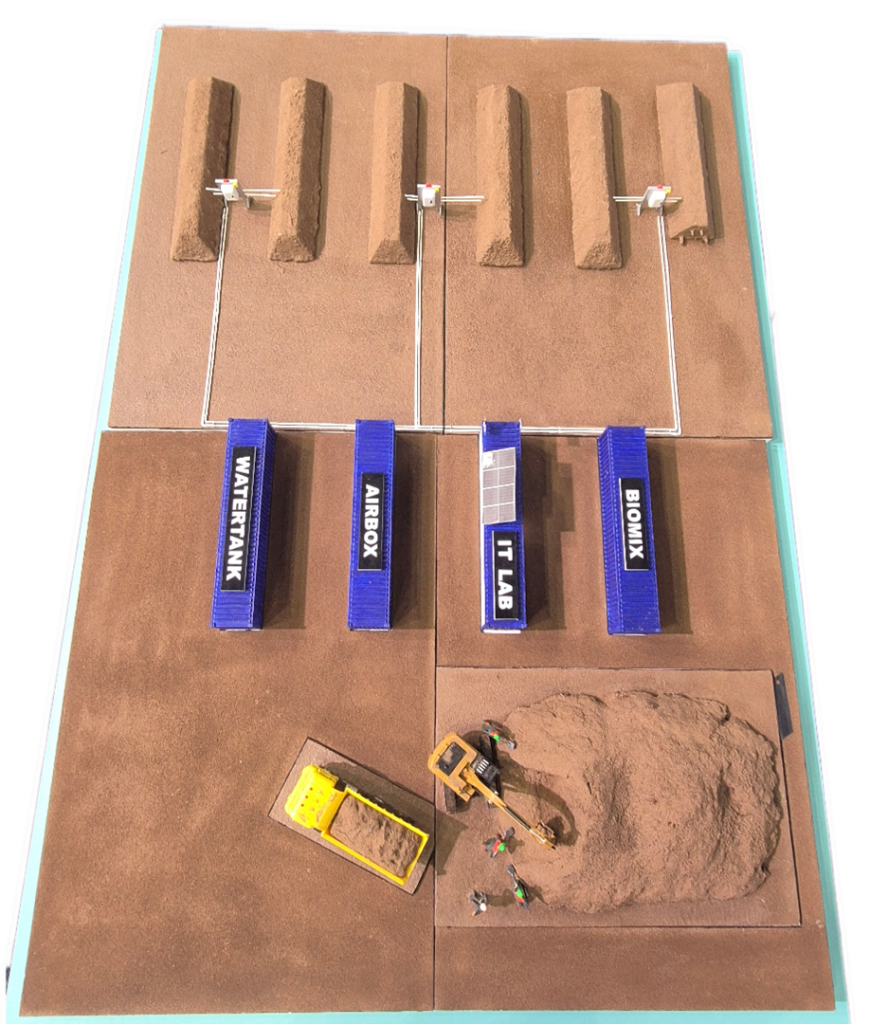
The diagram presents an overview of the SmartEcoField hardware-software complex. All system control is centralized in the IT Lab module, which houses the intelligent control system, real-time monitoring platform, and communication infrastructure.
- The AIRBOX module contains equipment for air injection into the remediation system.
- The BioMix module prepares and mixes the proprietary biococktail using a nanobubble generator to enhance microbial activity and oxygen transfer efficiency.
- The WaterTank module stores and conditions the water required for the process.
Each remediation pad (“mile”) is connected to a remotely controlled distribution unit, which precisely delivers the required amounts of air, water, and biococktail according to the AI-generated treatment protocol. This integrated, modular approach ensures adaptive, data-driven bioremediation—optimized in real time and operable even in remote environments.
Intellectual Property
All components of the SmartEcoField system are original developments created by the author and are protected by patents and copyright certificates.
From the outset, a key design principle was accessibility and interchangeability of all system elements—ensuring that individual parts can be quickly sourced from local suppliers when needed, minimizing downtime and logistical dependencies.
Furthermore, certain non-critical components can be manufactured in-house by the project team using 3D printing, enabling rapid prototyping, customization, and on-site maintenance—even in remote operational environments.